9+ curated guides • Updated August 2025
In 2022, our handbags got weird. We carried impossibly tiny bags that couldn't fit a phone, or massive totes that could hold a weekend's worth of emotional baggage. This wasn't a random fashion fluke; it was a cultural conversation about who we became after the world changed. The accessories we chose to carry became our unwilling confessionals, broadcasting our anxieties, our newfound bravado, and our desperate search for control in a world that felt anything but. From the theatrical absurdity of the micro-bag to the cavernous security of the oversized tote, each trend was a chapter in our collective psychological recovery. This was not about utility; it was about identity.
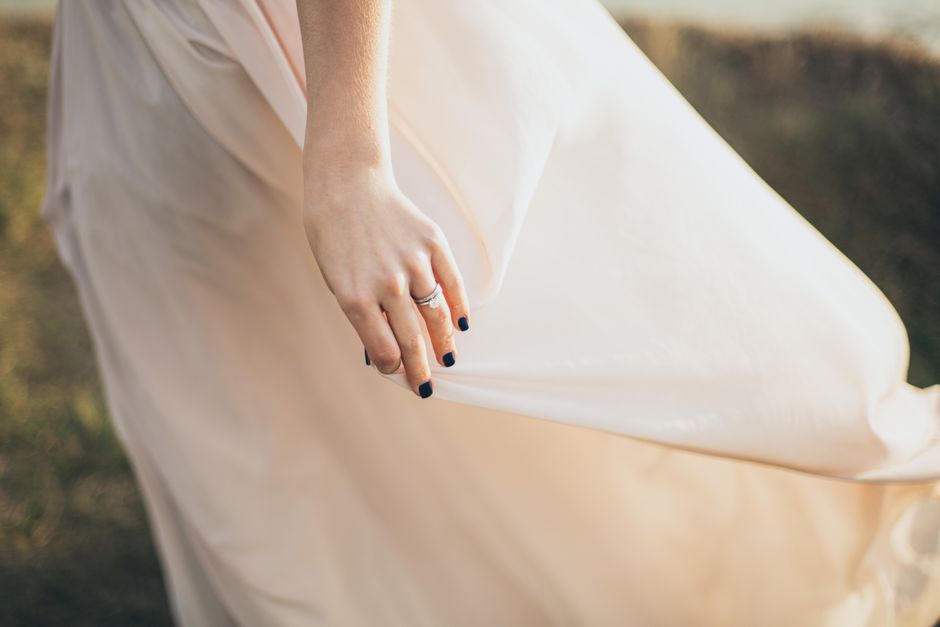
You know the tradition: fourth finger, left hand, a direct line to the heart. But look around. Notice the surgeon who wears their ring on a necklace, the widow who has moved it to her right hand, or the creative who stacks it on their index finger. A wedding ring's placement is more than just a custom; it's a dynamic, personal story told without a single word. This simple metal band has evolved from a static symbol of ownership into a fluid, expressive piece of our personal grammar. As a cultural anthropologist, I've observed that we are in the midst of a fascinating ritualistic shift. We are no longer just wearing rings; we are using them to broadcast nuanced messages about our identity, our professions, and the very nature of our partnerships. This article is your guide to reading this silent language.
You've seen them cinched around the thighs of festival-goers and runway models alike—the ubiquitous leg belt. But to dismiss it as just another edgy, fleeting accessory is to miss the point entirely. This piece is a quiet statement of power, a modern form of fashion armor that draws its strength from a hidden history of both sensuality and combat. It operates on a subconscious level, borrowing from cultural archives to signal strength, agency, and a deliberate ownership of the body. In a world saturated with fleeting aesthetics, the leg belt is a piece with a potent, triple-layered narrative: it is at once a tool, a weapon, and a trophy, worn on the wearer's own terms.
When a celebrity announces a pregnancy, we see a baby bump; their publicist sees a career-defining opportunity. Forget simple joy—the modern celebrity pregnancy reveal is a calculated masterstroke of timing, branding, and media manipulation. We're deconstructing the strategic playbook that turns a personal milestone into a global phenomenon. This isn't a family album entry; it's a meticulously crafted move in the high-stakes chess game of public perception. Every element, from the choice of platform to the specific phrasing of the caption, is engineered to launch a new brand narrative, generate immense cultural capital, and unlock millions in potential earnings. Welcome to the Announcement Economy.
You've probably looked up a star's height and been surprised by the number, but that number is irrelevant in Hollywood. The real story is how directors and cinematographers meticulously craft an actor's on-screen stature, using a century's worth of visual tricks to make them appear as towering or as tiny as the story demands. Forget the Google search; the truth isn't in a number, but in the subtle art of cinematic manipulation. We're pulling back the curtain on the techniques that build heroes, shrink giants, and maintain the fragile fantasy of the silver screen.
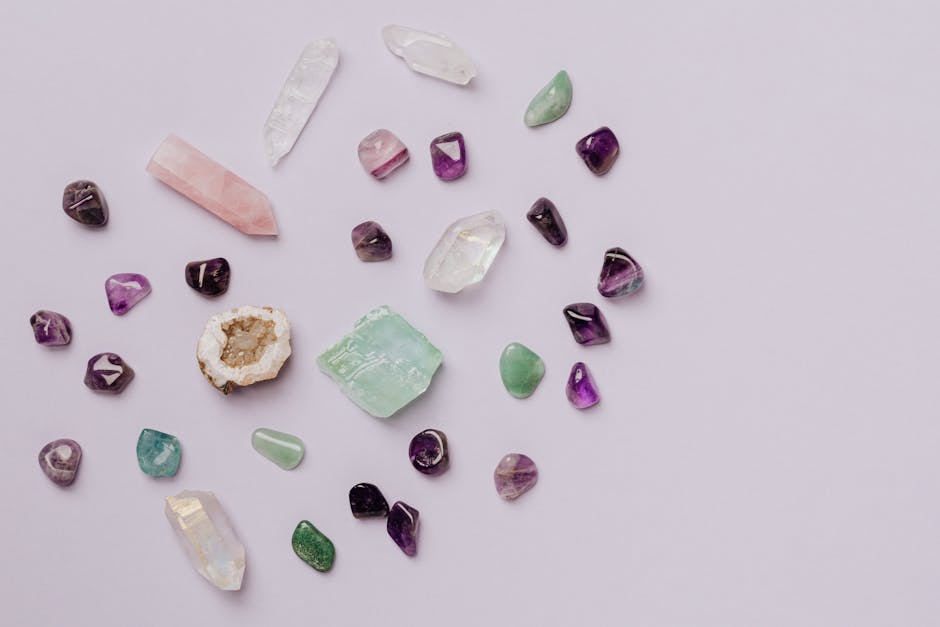
Forget what you know about birthstones dug from the gentle earth. The vibrant green peridot has a far more violent and cosmic story, having been forged in the planet's molten heart and found glittering in the wreckage of fallen meteorites. This isn't just the birthstone for August; it's a testament to survival from the most extreme corners of the universe. While other gems form in the crust, peridot is an outsider—a crystal born in the inferno of the upper mantle and sometimes delivered to us as an extraterrestrial passenger. It’s a stone that has traveled further and endured more than almost any other, carrying within its vibrant green facets the secrets of planetary formation and the silence of deep space.
Remember the Y2K-inspired chokers and the sudden obsession with balaclavas? We'll venture back to the very recent past not for nostalgia, but for a financial post-mortem. Let's dig through the 2022 accessory graveyard to uncover which trends were a waste of money and what they can teach us about buying better right now. Every purchase we make is an economic decision, a small investment in our personal brand. Yet, the fast-paced trend cycle encourages us to treat these decisions like lottery tickets rather than calculated assets. This analysis isn't about shaming past choices; it's about dissecting them with the dispassionate eye of an auditor. By understanding the rapid depreciation of 2022's hottest items, we can build a framework for a more profitable and sustainable style portfolio going forward.
In an age of 24/7 social media updates and constant self-promotion, visibility is seen as the currency of fame. Yet, some of the world's most popular figures defy this rule by doing the exact opposite: they disappear. This investigation pulls back the curtain on the 'anti-fame' playbook and reveals why intentional scarcity is the ultimate power move in modern celebrity. This strategy transforms a public figure from a mere commodity into a cultural event, proving that in the economy of attention, a controlled absence is worth more than a constant presence. We will dissect how this calculated mystique is constructed and why it creates a level of devotion that endless accessibility never can.
Remember 2022? As the world reopened, our wardrobes shifted dramatically from soft sweatpants to structured statements. The most telling accessory wasn't a bag or a shoe—it was the humble belt, suddenly tasked with the monumental job of reclaiming our shape and signaling our return to the world. This wasn't a mere trend; it was a collective, non-verbal declaration. After two years of amorphous silhouettes and elasticated waists that blurred the lines between public and private, the act of cinching, buckling, and defining our midsections became a powerful psychological tool. We weren't just holding up our trousers; we were re-establishing boundaries, drawing a line between the lockdown self and the re-emergent individual. The belt, in its myriad forms, became the focal point of this sartorial rebirth, the accessory that gave our new chapter its shape.